Scientific research
CEDRE carries out research to help pave the way towards the decarbonisation of the shipping sector and new technological developments, in order to enhance safety during operations, facilitate operational decision-making and mitigate the environmental impact of spills in marine and inland waters.
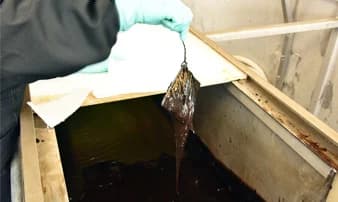
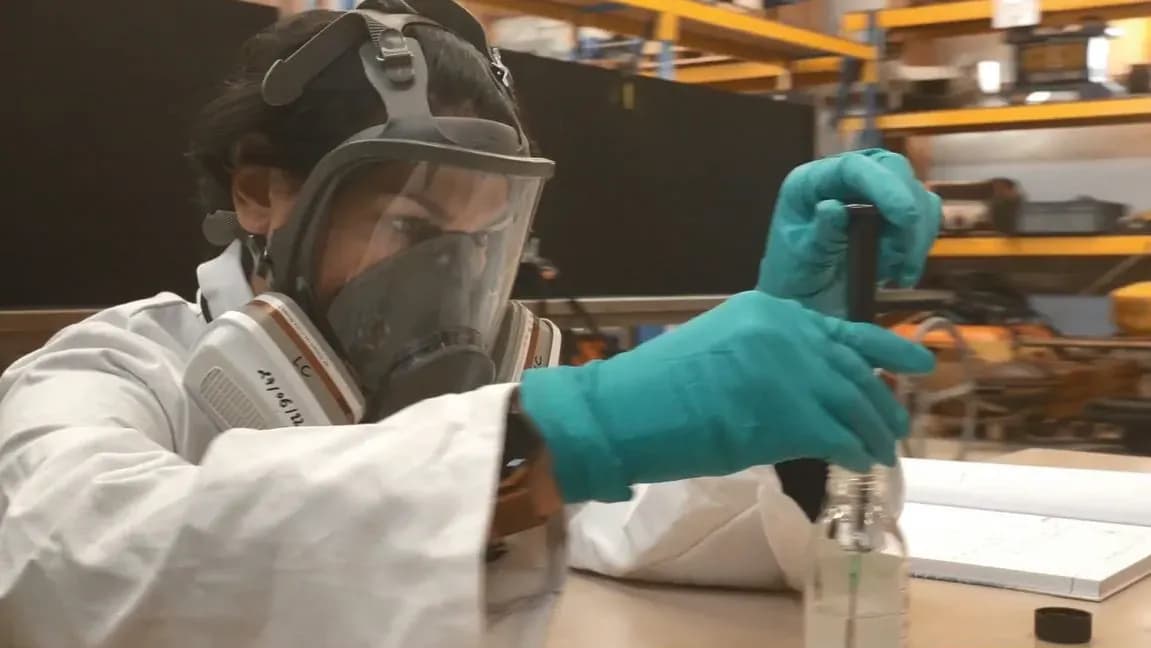
Our research work covers topics such as the behaviour and fate of pollutants in the marine environment and inland waters, the analysis of detection and response techniques and equipment, and response flowcharts to produce decision support systems.
explore, understand
FOR A RESPONSE TO EVERY INCIDENT

New fuels and reducing emissions from maritime transport
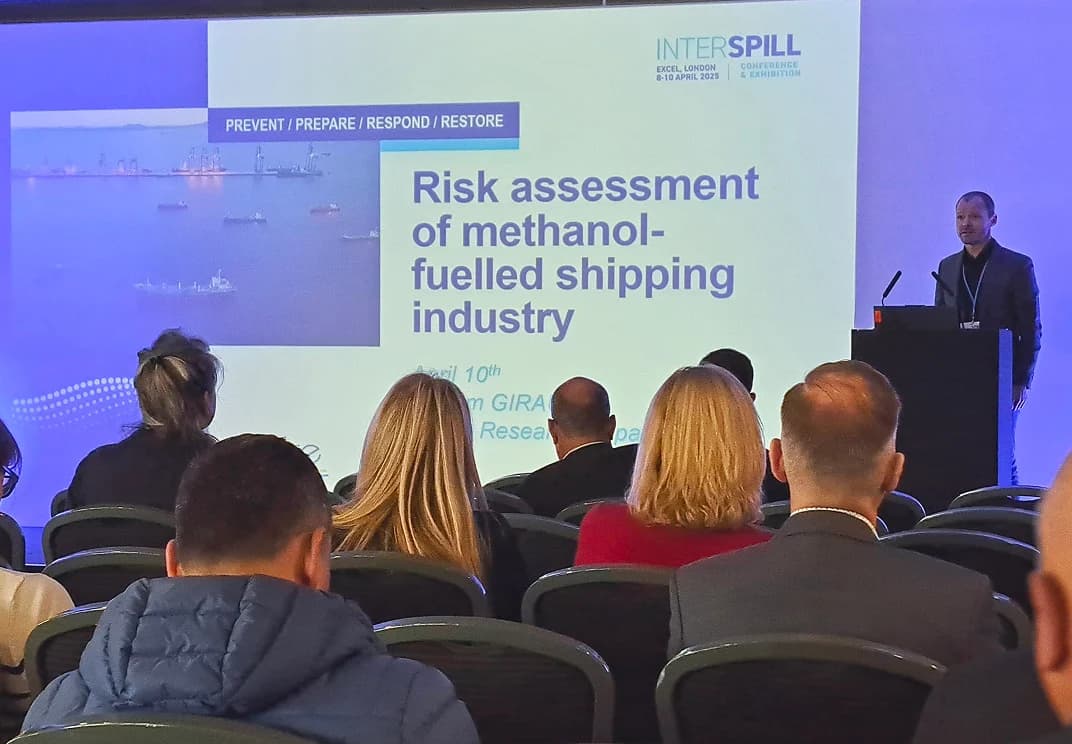
With a view to achieving zero greenhouse gas emissions by 2050, we conduct studies into the shipping fuels of the future (biofuel, methanol, ammonia, hydrogen, etc.) in terms of their environmental impact in the event of a spill:
- Analysis of their reactivity and distribution between water and air under different environmental conditions (tropical, temperate and cold zones)
- Development of environmental risk matrices taking into account their ecotoxicity, fate and long-term persistence
- Contribution to defining response strategies for different incident scenarios.
This exploratory work draws on our original tools, specially or previously developed, according to needs relating either to incident emergencies or industry issues.
Developing and optimising response techniques and products
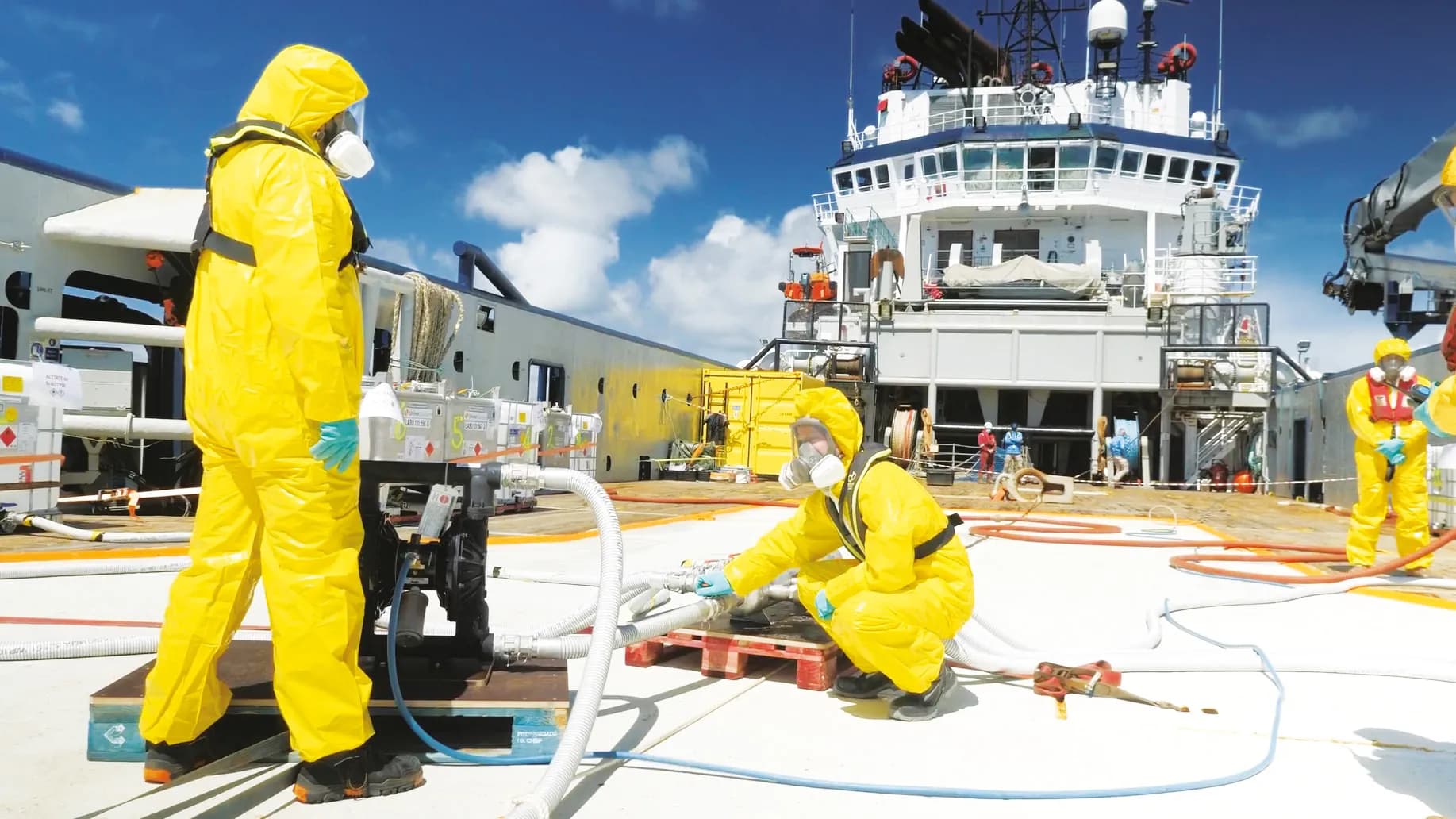
We contribute to the development and improvement of new methods and products for responding to oil spills, chemical spills and aquatic litter:
- Optimisation of response equipment (skimmers, booms) and product effectiveness (dispersants, washing agents, etc.)
- Study into the compatibility between response equipment and the pollutant (materials' resistance to the aggressive properties of pollutants)
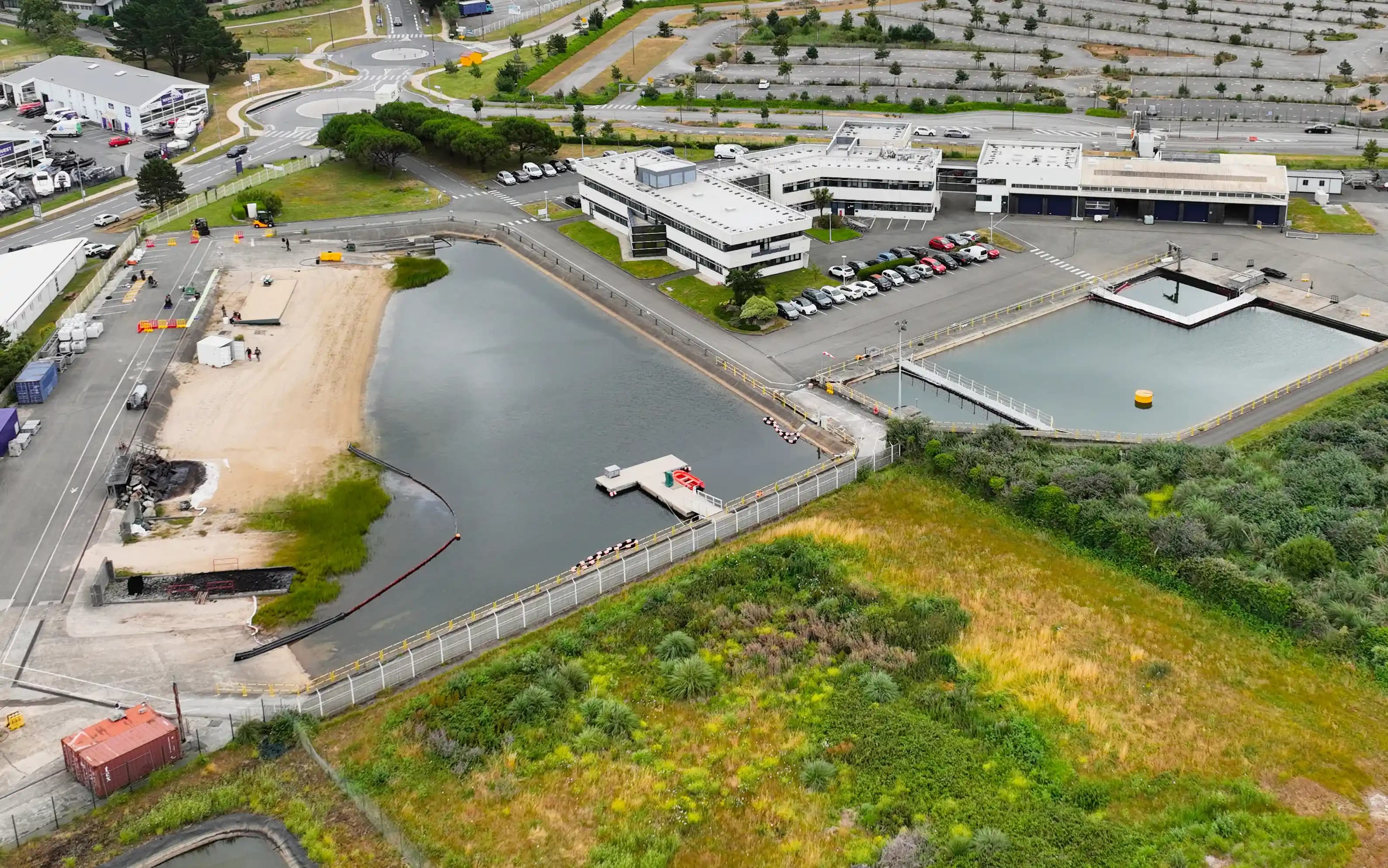
- Testing of detection systems under realistic conditions (in outdoor test tank or construction of a pilot-scale test bench)
In partnership with public and private players, we design next-generation products and systems based on the latest scientific and technological advances. These projects are designed to deliver reliable solutions, tried and tested in the field, that can be directly implemented by operational end-users.
Modelling & decision support systems (DSS)
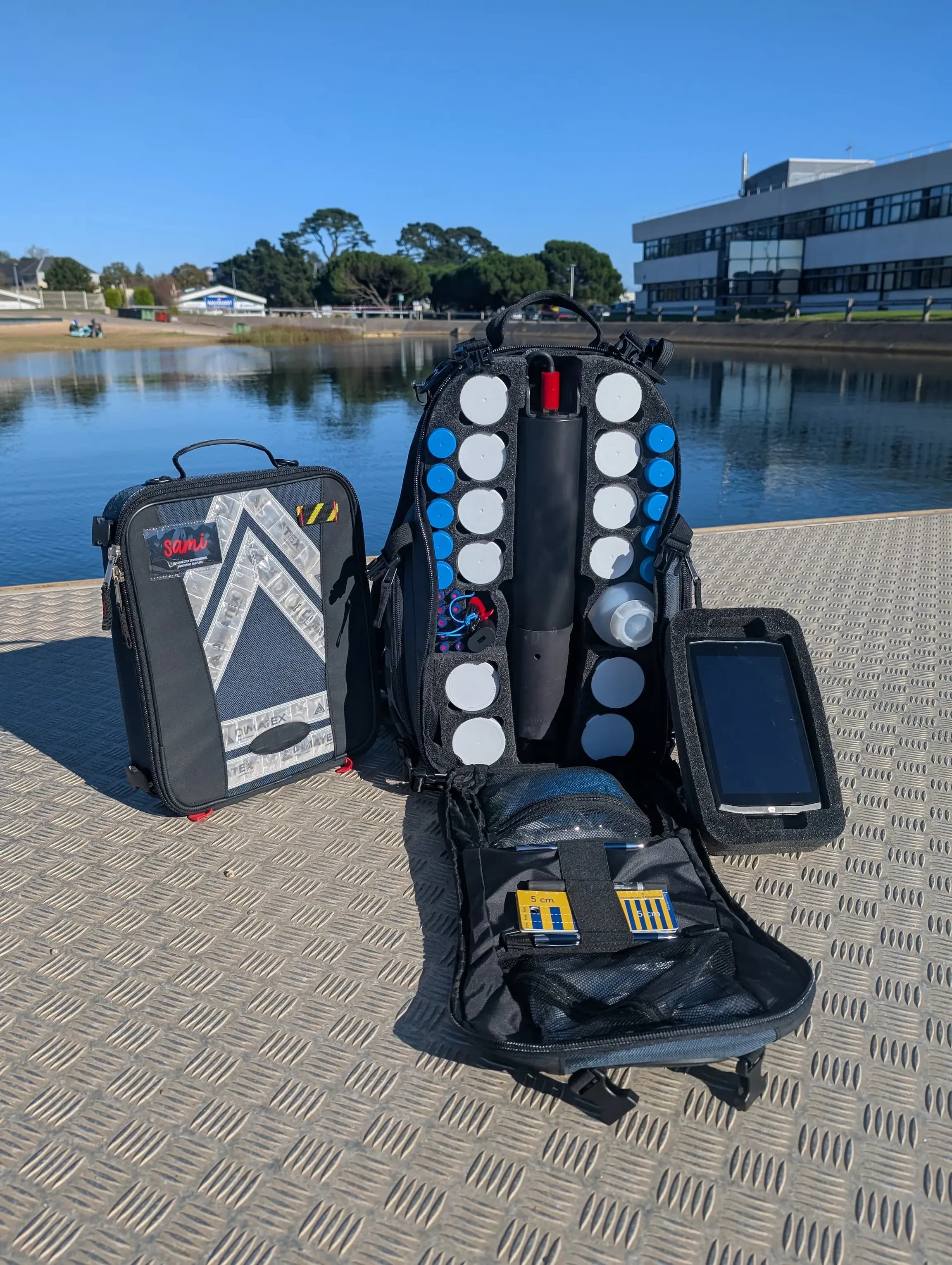
We produce experimental data and contribute to the development of simulation and forecasting tools to support an operational response:
- Models simulating the fate of pollutants in the environment
- Decision support systems (DSS) integrating real-time data
- Database dedicated to potentially polluting substances
Technical and scientific results
The technical outcomes are presented in reports drafted for clients and public and private organisations, while the scientific findings are disseminated at international conferences and in scientific articles.
Research projects at CEDRE are often carried out in partnership with national and international academic institutions. Every year, CEDRE hosts Master's students and contributes to PhD research funding.
Interested in exploring a topic relating to accidental water pollution?
Contact us