Analysis and testing
At CEDRE, thanks to our laboratory and experimental tools, we are able to characterise oils, chemicals and plastics found in the environment.
From contamination level analysis to ecotoxicity testing, our expertise also encompasses lab-based and pilot-scale studies on pollutant behaviour.
This analytical work provides an essential scientific basis to guide actions in the field and guarantee the response level.
sample, analyse
FROM FIELD TO LAB
Pollutant analysis
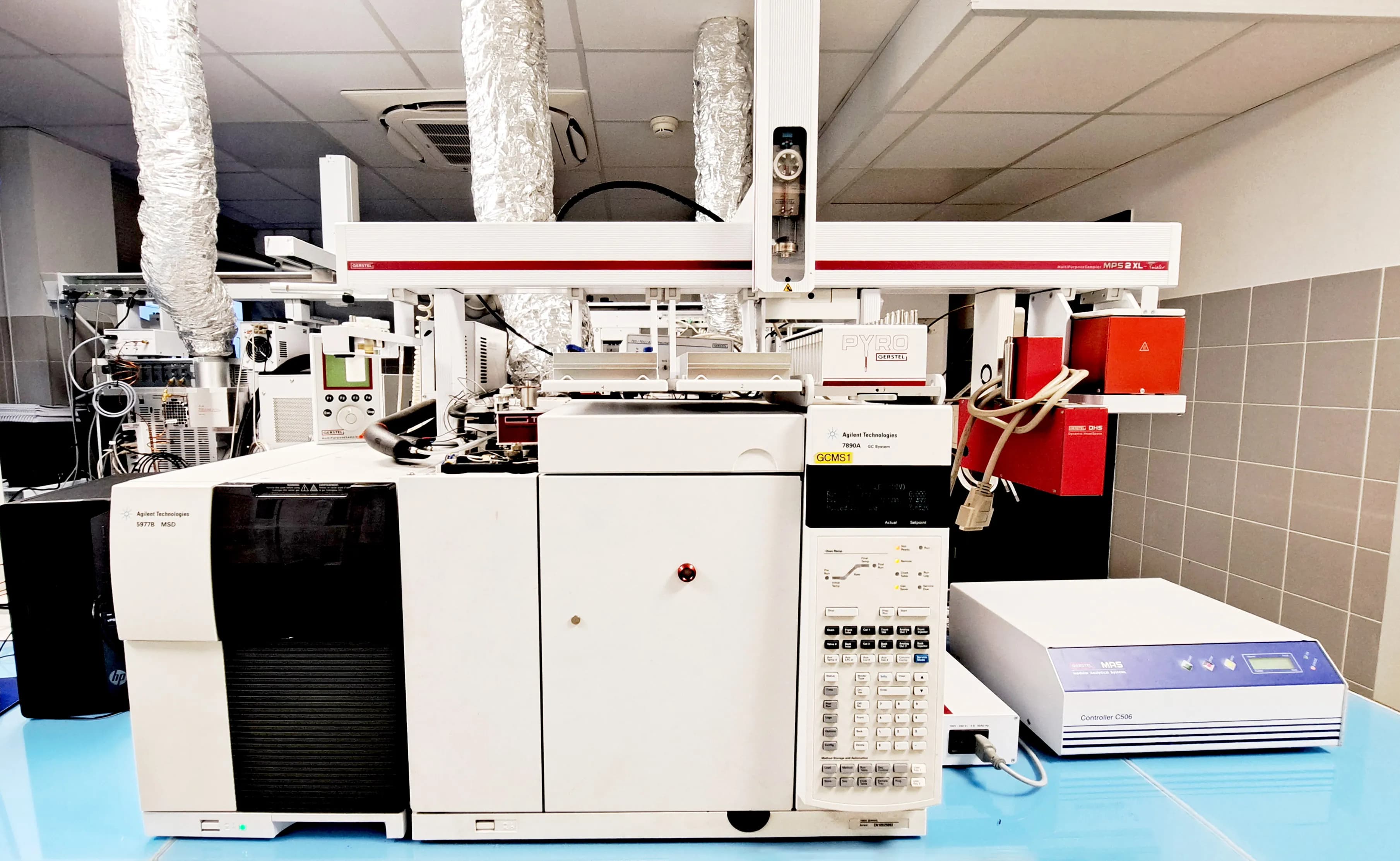
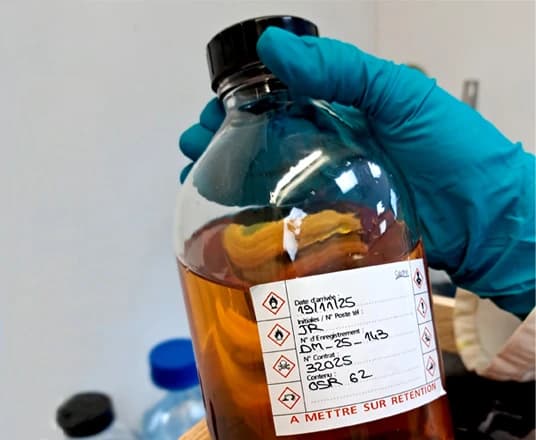
We can conduct emergency fingerprinting and analysis to identify and characterise oils, chemicals or plastic litter.
Our analysis work is used for both:
- Operational purposes, to guide response actions in the field
- Legal purposes, to confirm the origin of pollution detected in the environment.
We have the necessary equipment and expertise to identify the origin or nature of the pollutant sampled.
In this respect, CEDRE is a member of the European network (OSINet - Bonn Agreement), which brings together laboratories specialising in oil analysis. Every year, we take part in intercalibration exercises to harmonise our practices, test new cases and promote the sharing of expertise.
Oil facility-related analyses
CEDRE regularly analyses water and sediment samples taken near oil facilities, either for environmental monitoring purposes or to determine reference levels for projects.
In addition to overall quantitative analyses (total hydrocarbons), target molecules such as polycyclic aromatic hydrocarbons (PAHs) or various alkanes may be quantified.
All of this data, together with the analysis of various geochemical markers, is interpreted in order to identify the origin of any contamination and establish links between the samples.
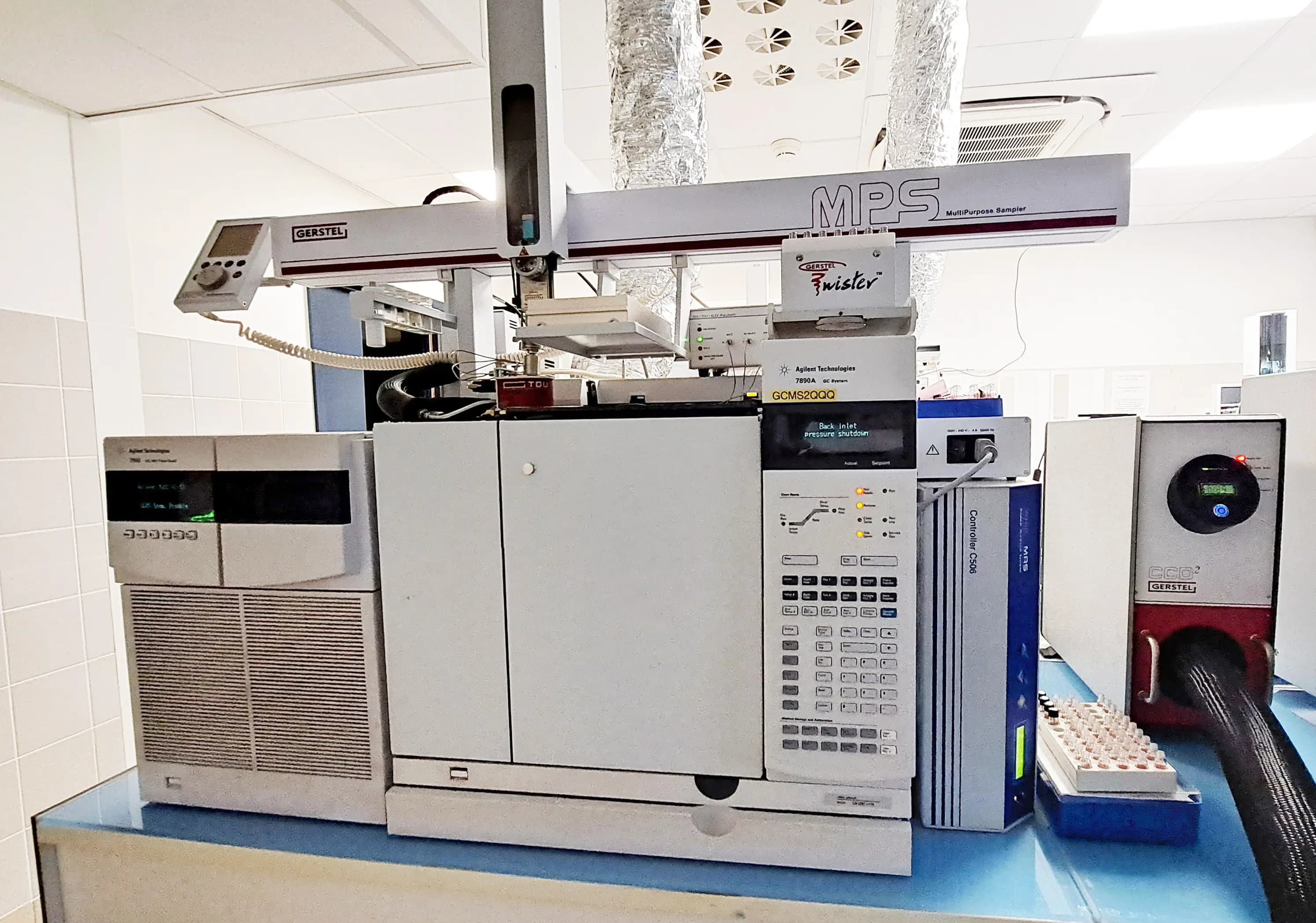
Measuring environmental contamination levels
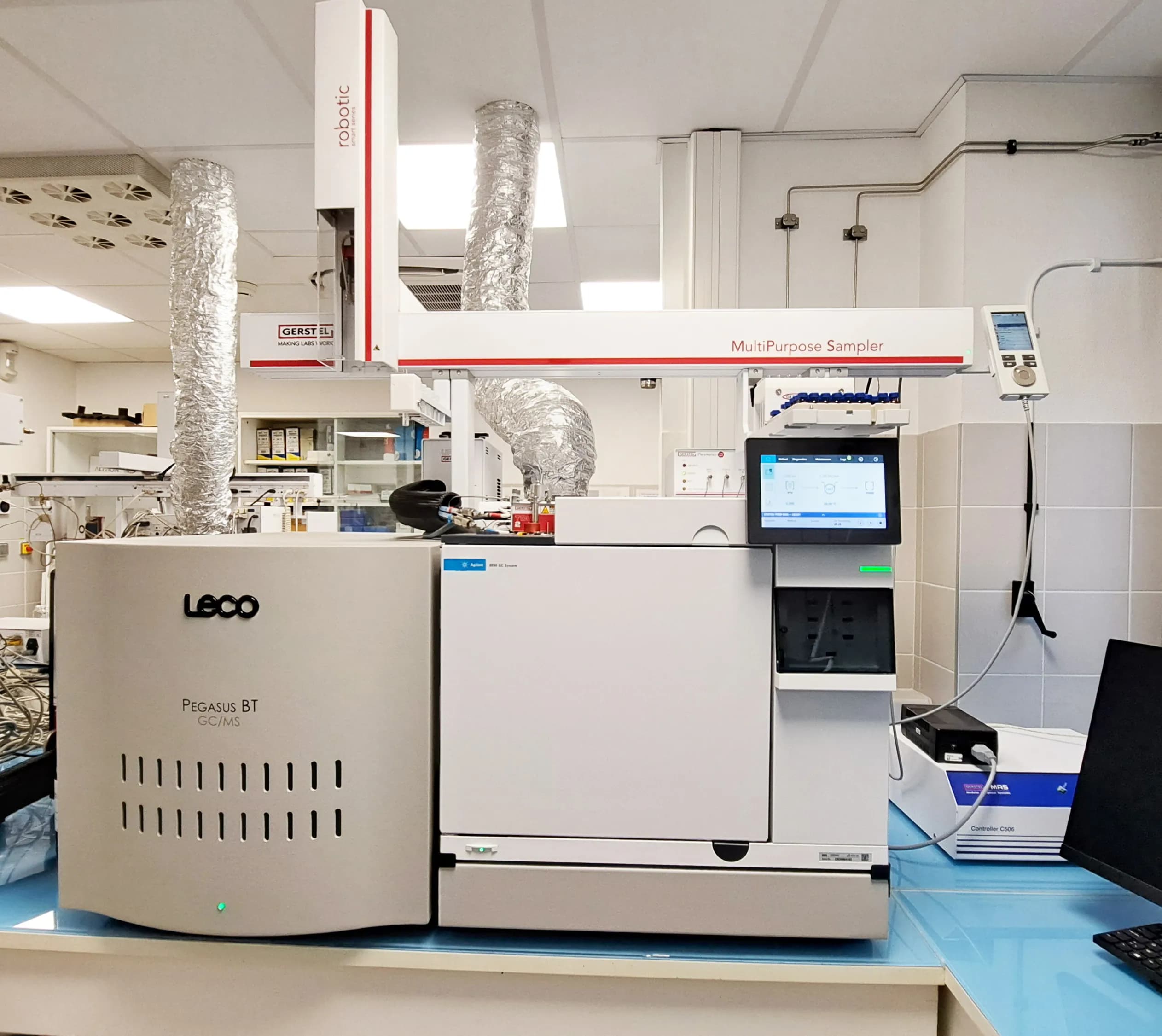
Thanks to our laboratory equipment, we are able to quantify the presence of various pollutants in the environment. In particular, we can analyse concentrations of polycyclic aromatic hydrocarbons (PAHs), volatile organic compounds (VOCs), polychlorinated biphenyls (PCBs) and various pesticides.
Over the past few years, we have also developed expertise in the analysis of plastics and related additives (pyrolysis-GC/MS and FTIR).
Our analyses can be performed on different types of matrices:
- Oil products
- Freshwater and seawater
- Sediment
- Biological tissues
Ecotoxicity tests
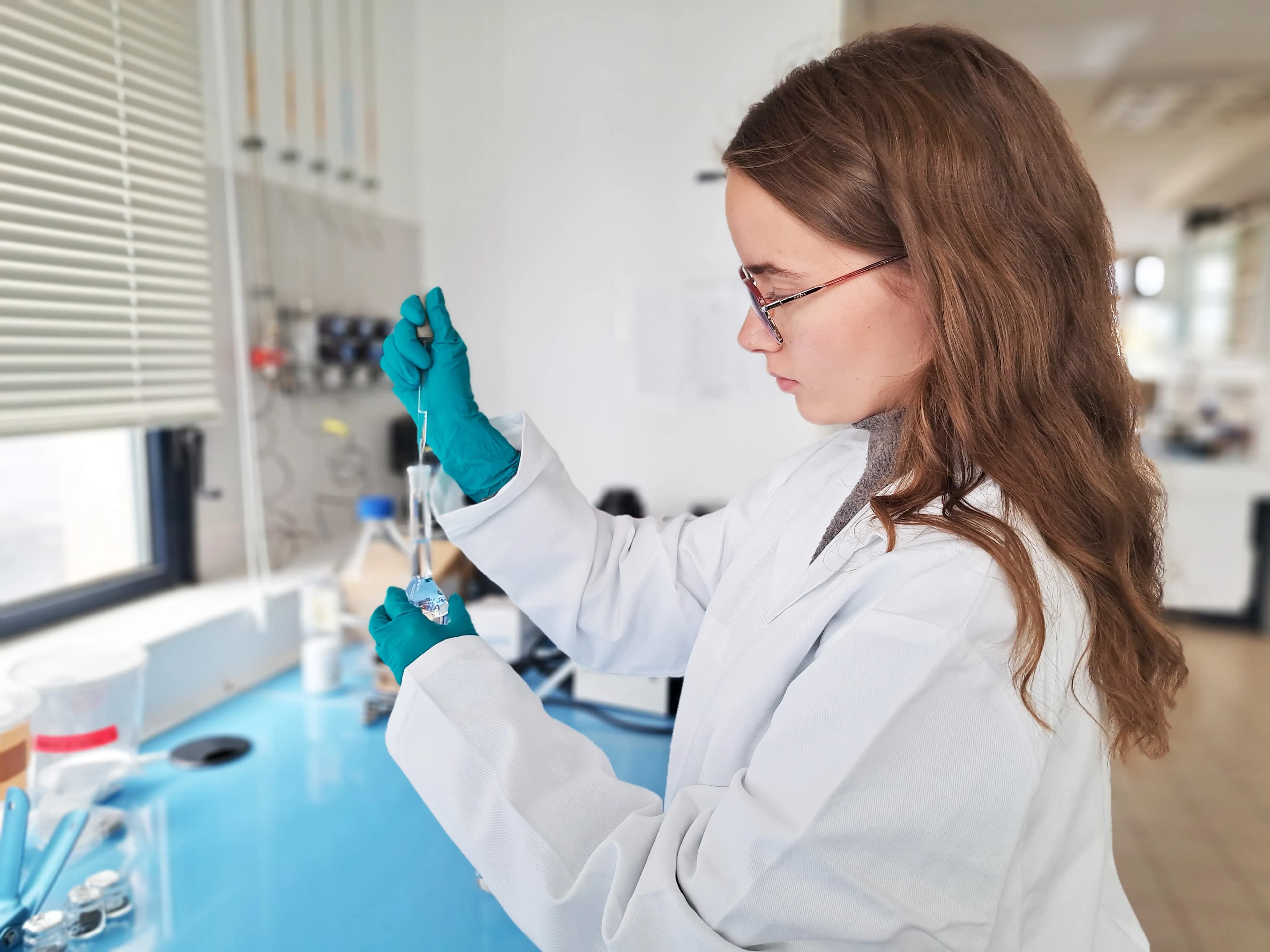
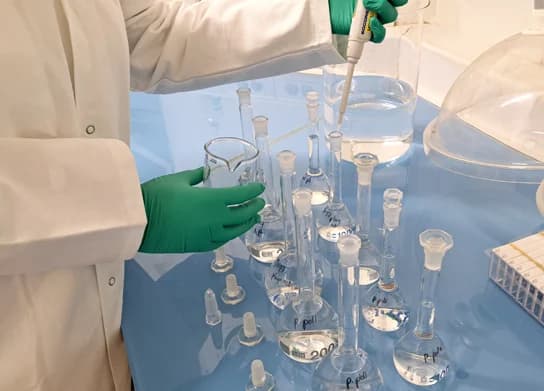
We can perform various ecotoxicity tests in our laboratory on bacteria, algae, copepods or amphipods, in accordance with international standards. The matrices studied can be artificially contaminated to study the ecotoxicity of a product, or they may be samples taken in the environment. Additionally, targeted chemical analyses can be performed to determine the dose-response relationship.
Testing to optimise spill response
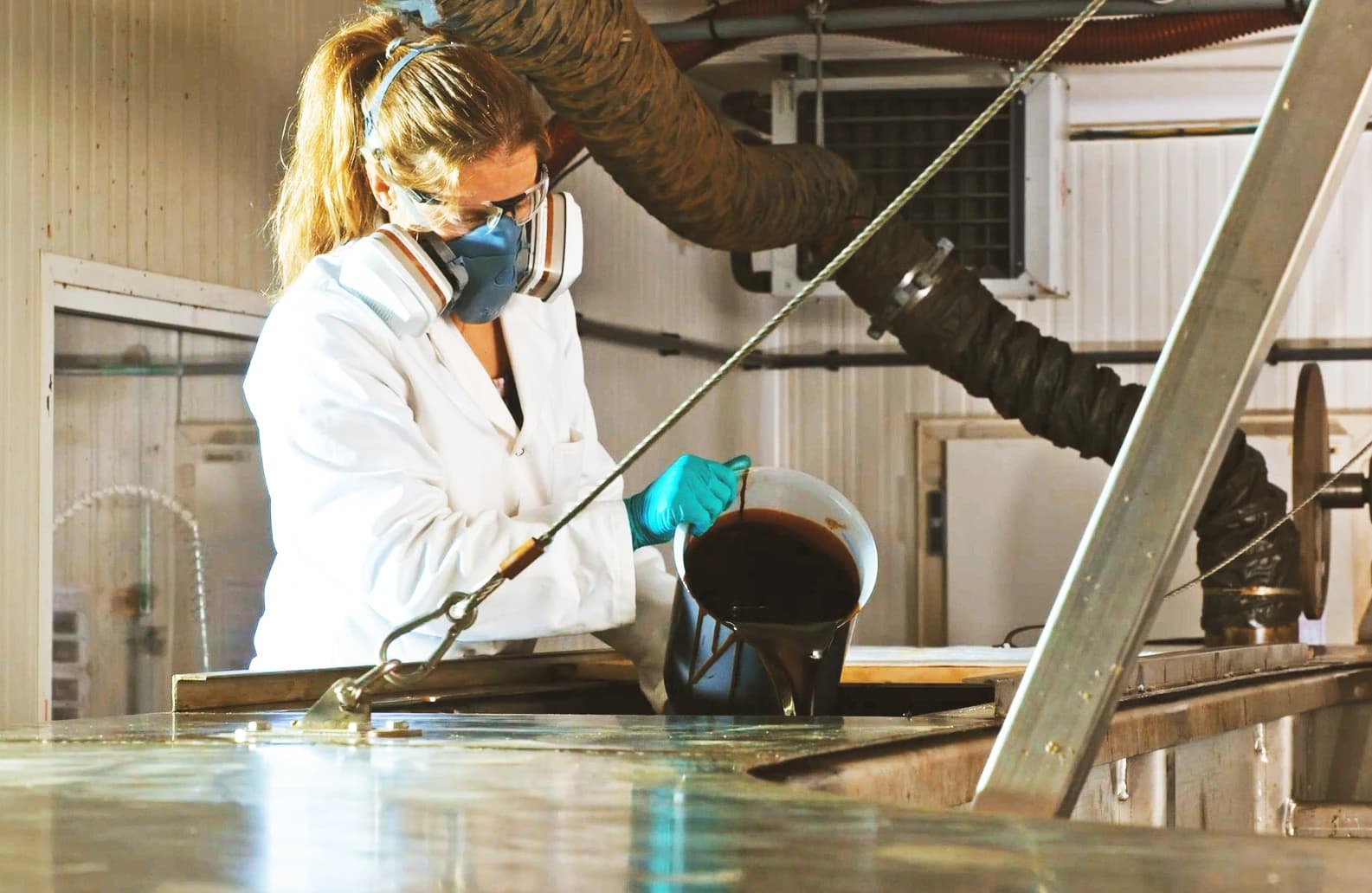
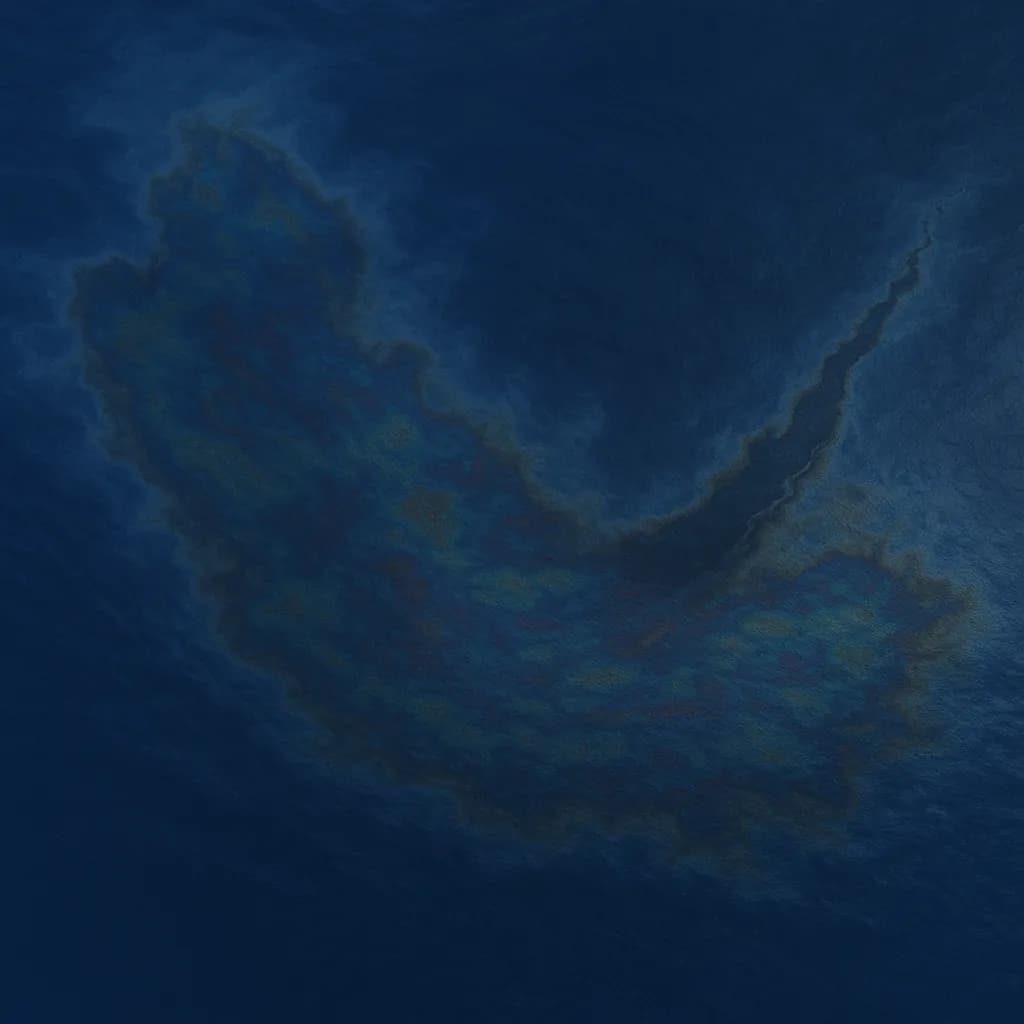
At CEDRE, we have experimental systems designed to study the behaviour and fate of oil in the environment, primarily relating to spills in the marine environment or inland waters.
Through laboratory studies on artificially weathered samples or on samples weathered in our flume tank under conditions representative of the real environment, we are able to assess the behaviour of products as well as the evolution of their main physico-chemical properties (viscosity, density, water content, flash point, etc.). This data is fundamental in defining appropriate response strategies as part of contingency planning.
We also perform specific tests to determine the effectiveness of the main spill response techniques, such as chemical dispersion, mechanical recovery, in situ burning, etc.
These protocols, initially designed for oils, can also be applied to other floating pollutants, such as lubricants or hydraulic fluids.
Chemical dispersibility and choice of dispersants
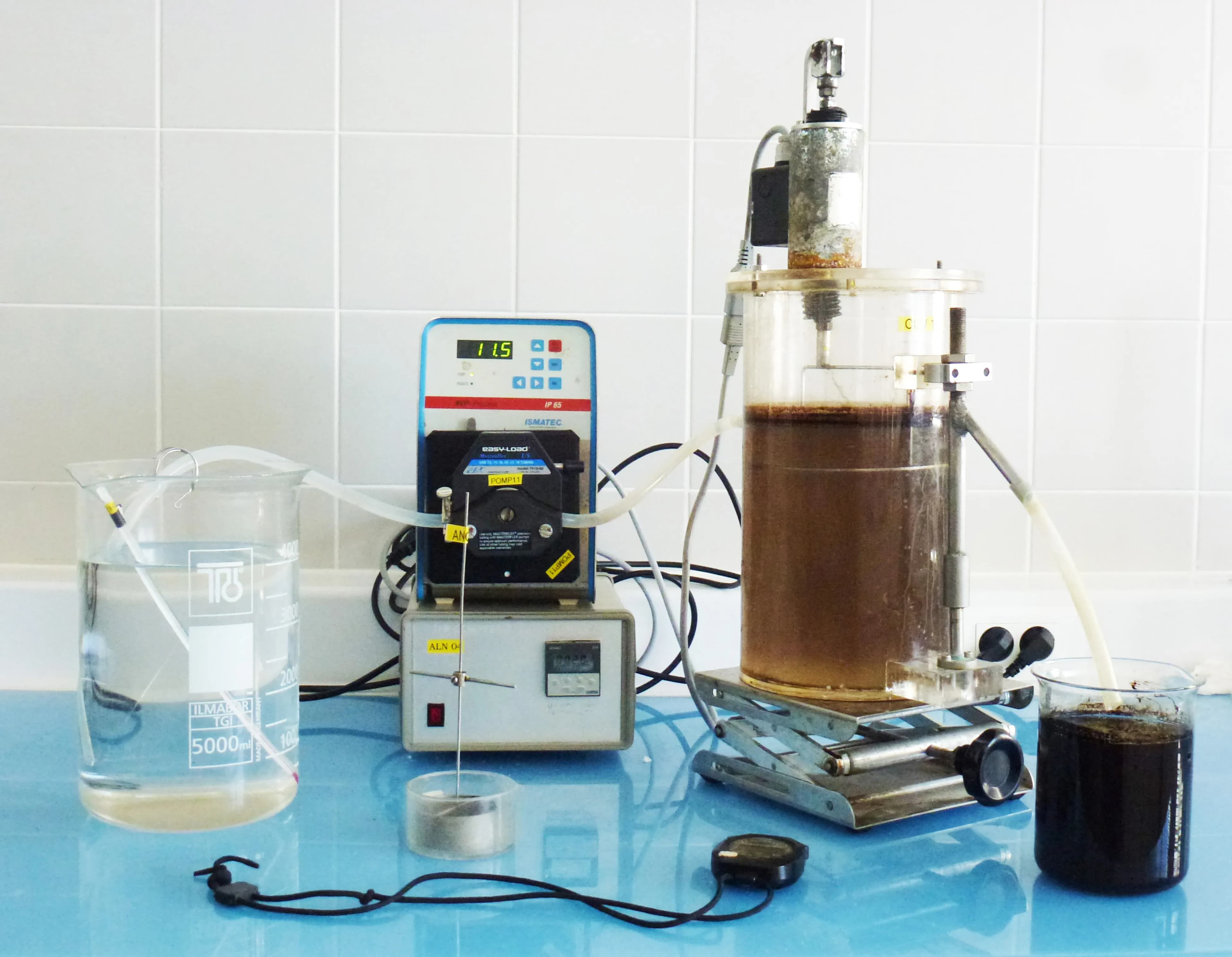
Various test protocols have been developed to estimate the effectiveness of chemical dispersants on oil spills.
These tests can be applied to samples, produced in the laboratory or the Polludrome®, representing various weathering times at sea in order to define the window of opportunity for dispersant use.
The effectiveness of various response products can also be compared in order to select the most effective solutions. CEDRE offers practically all of the test protocols developed for dispersant studies (IFP, MNS, WSL, SFT, BFT).
Dispersant stockpile quality control
Spill response dispersant stockpiles generally contain several m3. These costly products have expiry dates.
We can test representative samples of such stockpiles when they reach the end of the manufacturer's guarantee period. In the case of favourable results, the period of use can be extended by two years, with further extensions possible subject to new tests.
Need a quote for a specific analysis?
Contact us